Cyber security services play a critical role in protecting organisations from data breaches, financial loss and operational disruption. As businesses rely more heavily on digital systems, cloud platforms and remote access, the risks associated with cyber threats continue to grow.
While cyber security is often discussed in technical terms, the reality is more practical. These services are about protecting devices, systems, users, and data from real-world threats, and responding quickly when something goes wrong.
This article explains how cyber security services work in practice, what these professionals do day to day, and what Australian organisations should expect when engaging a provider.
What Are Cyber Security Services?

Cyber security services combine people, processes and technology to help organisations prevent, detect, and respond to cyber threats.
Rather than relying on a single tool or product, these services are designed to protect an organisation’s entire digital environment, including:
- Devices such as laptops, mobiles, and servers
- Networks and internet-facing systems
- Cloud platforms and hosted services
- User accounts and access permissions
- Sensitive business and customer data
According to the Australian Government’s cyber security guidance, securing devices and systems is a foundational step in reducing cyber risk. However, protection does not stop at setup. Ongoing monitoring, maintenance, and response are equally important.
What Do Cyber Security Professionals Actually Do?
There is often confusion about what people working in cyber security do. The reality is less dramatic than popular stereotypes, but far more important for keeping organisations safe.
Cyber security professionals spend much of their time:
- Monitoring systems for suspicious behaviour or unusual activity
- Investigating alerts that could indicate a cyber incident
- Identifying weaknesses before attackers exploit them
- Improving security controls as threats evolve
- Responding to incidents when prevention measures fail
Their work is methodical and continuous. It involves analysing patterns, understanding attacker behaviour, and making careful decisions under pressure.
As outlined in Australian Government career resources, cyber security professionals combine technical skills with strong problem-solving abilities, attention to detail and the ability to remain calm during incidents.
How Cyber Security Services Work in Practice
Most services follow a structured lifecycle rather than a one-off engagement.
Understanding the Environment
The first step is gaining visibility into the organisation’s systems, users, and data. This includes identifying:
- Critical systems and high-value data
- Internet-facing assets and cloud services
- User access and privilege levels
- Existing security controls and gaps
This context ensures security efforts are focused on what matters most to the business.
Preventing Common Threats
Prevention focuses on reducing exposure to known attack techniques. This may include:
- Securing devices and applying configuration standards
- Managing patches and system updates
- Hardening networks and cloud environments
- Improving access controls and authentication
These measures help block many common attacks before they progress further.
Detecting Suspicious Activity
No environment is ever fully immune to compromise. Detection capabilities are designed to identify unusual behaviour early, such as:
- Unexpected logins or access attempts
- Abnormal network traffic
- Indicators of malware or unauthorised tools
- Changes to critical systems or configurations
Responding to Incidents
When suspicious activity is confirmed, cyber security services support incident response by:
- Investigating the scope and impact of the incident
- Containing threats to prevent further damage
- Supporting system recovery and remediation
- Documenting findings for compliance and improvement
A rapid, coordinated response reduces disruption and long-term impact.
Improving Over Time
Cyber security is not static. Lessons learned from incidents, assessments and testing are used to:
- Strengthen controls
- Update policies and procedures
- Reduce the likelihood of similar incidents occurring again
Common Types of Cyber Security Services
While offerings vary by provider, common services include:
- Managed cyber security and monitoring services
- Security detection and response capabilities
- Penetration testing and vulnerability assessments
- Incident response and compromise assessments
- Cloud, network, and endpoint security services
- Identity and access management support
Many organisations use a combination of these services based on risk, size, and regulatory obligations.
Why Cyber Security Is an Ongoing Service
A common misconception is that cyber security can be addressed through a single assessment or tool deployment. Risk changes continually.
New users, systems, and cloud services introduce complexity. Attack techniques evolve. Misconfigurations and human error remain persistent risks.
Australian cyber security guidance emphasises the importance of continuous monitoring and regular assessment, rather than relying on point-in-time reviews. Ongoing services help organisations adapt as their environment and threat landscape change.
How Cyber Security Services Support Australian Guidance
Cyber security services play an important role in helping organisations align with Australian guidance and frameworks.
The Australian Signals Directorate highlights activities such as monitoring, assessment and testing as part of a strong security posture. These services support:
- Improved visibility into cyber risk
- Validation of security controls beyond policy documents
- Evidence of due diligence for regulators, insurers, and stakeholders
Organisations working towards frameworks such as the Essential Eight often rely on practical testing and monitoring to assess control effectiveness in real-world conditions.
How XCELIT Delivers Cyber Security Services
XCELIT delivers cyber security services designed to reflect how attacks occur, not just how systems are configured. Why trust us?
- Australian-owned cyber security provider with local understanding
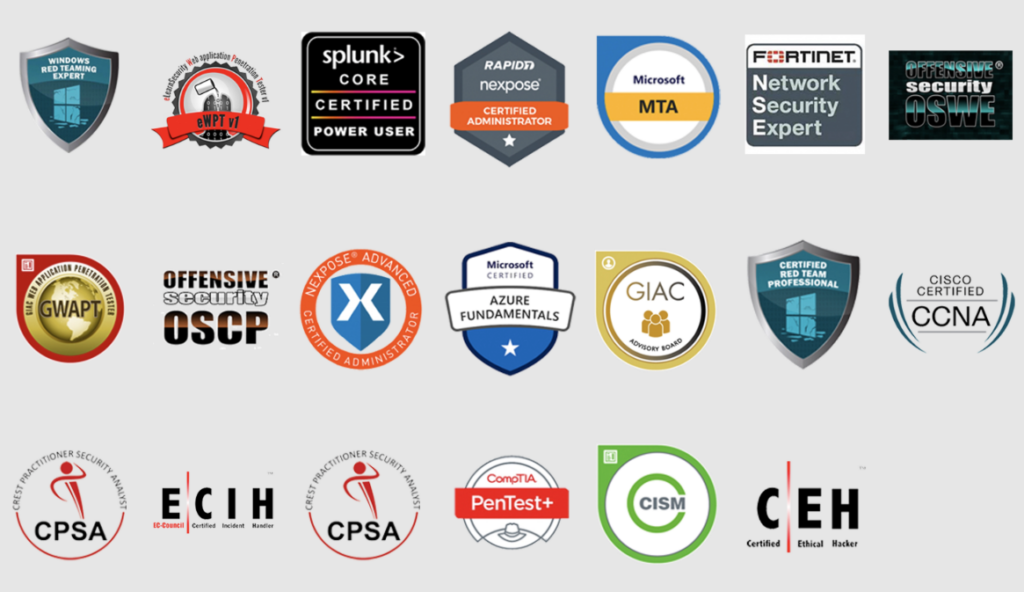
- CREST-certified engineers and experienced security professionals
- Services informed by real-world attacker behaviour
- Strong emphasis on manual expertise, supported by automation
- End-to-end coverage from prevention through to incident response
- Scalable services aligned with business growth
- 24/7 support with transparent reporting and communication
Learn more here: Cyber Security Consulting Benefits Explained: Why Expert Guidance Matters.
Reliable Cyber Security Consulting: Call Us
Cyber threats might evolve, but practical, well-structured cyber security services like ours challenge them
- Proven certifications and industry recognition
- Transparent service scope and reporting
- Experience across prevention, detection, and response
- Understanding of Australian cyber risk and guidance
- The ability to support the business during real incidents
A trusted partner should act as an extension of the organisation, not just a technology vendor.
Contact us to assess your current security posture, identify gaps and build resilience across your systems, users, and data. Call:
- 646 860 0486
- 0808 501 4124
- 1800 923 548
We are incident response ready.
Our DFIR mission is to help protect your organisation by enabling fast, confident, and precise responses to cyber incidents.