
Business phone systems have changed over the past decade. With the rollout of the NBN and the gradual retirement of legacy copper networks, many Australian organisations are reassessing how they manage voice communications.
Two options are most compared: traditional landline services and Voice over Internet Protocol, more commonly known as VoIP. While both support voice calls, the way they operate, scale, and integrate into modern business environments differs in practical ways.
This article explains how VoIP and landline systems work, outlines the key differences between them, and explores which option may suit diverse types of Australian businesses.
What Is a Traditional Landline?
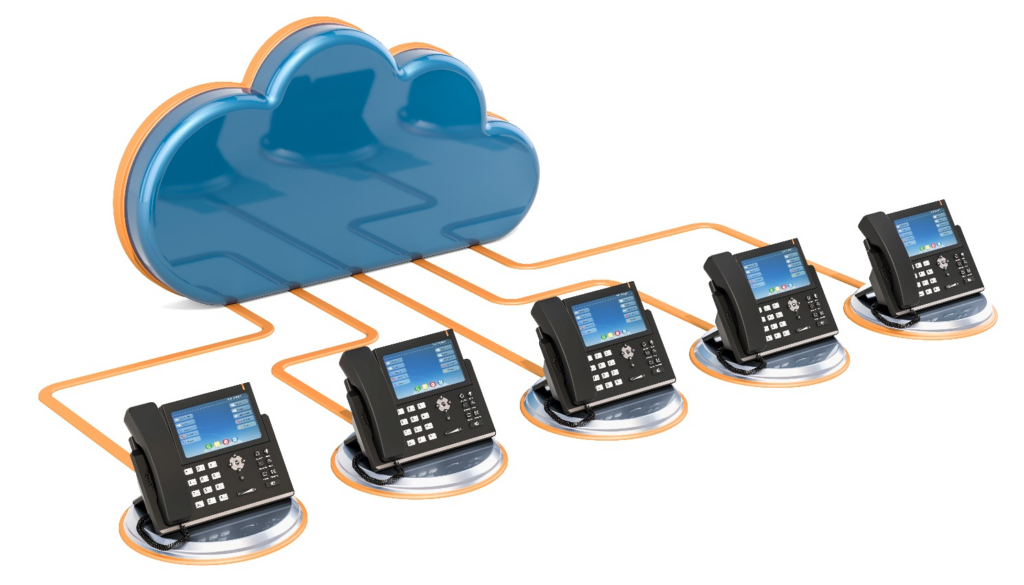
A traditional landline uses the public switched telephone network to transmit voice calls over physical infrastructure. Historically, this relied on copper cabling connected directly to a telephone exchange.
In Australia, many legacy landline services have transitioned to NBN-based voice services, although the experience remains similar from a user perspective. Calls are placed through a fixed handset, and service continuity is typically tied to a physical location.
Landlines are still used in some business environments, particularly where systems have not yet been upgraded or where infrastructure limitations exist.
What Is VoIP?
VoIP is a phone service that delivers voice calls over an internet connection rather than dedicated phone cabling. Calls are converted into digital data and transmitted using the same network that supports email, cloud applications, and other online services.
VoIP systems can be accessed through desk phones, computers, or mobile devices, allowing users to make and receive calls from multiple locations using the same business number.
According to the Australian Communications and Media Authority, VoIP services are widely adopted due to their flexibility and ability to operate independently of traditional telephone infrastructure.
How Do VoIP and Landline Services Differ?
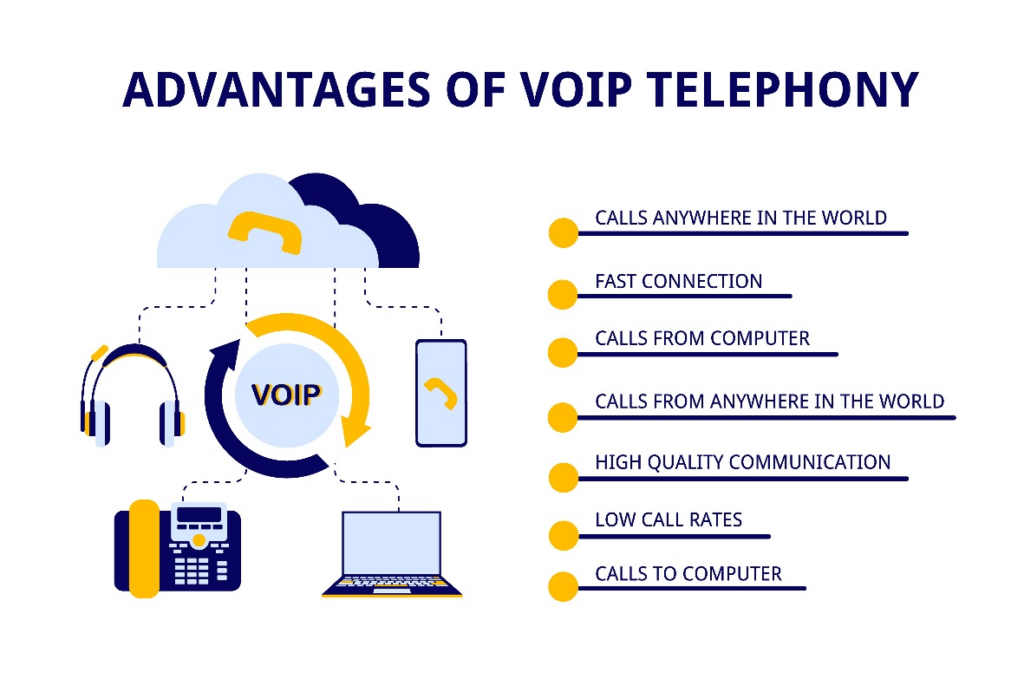
While both systems support voice communication, their underlying design affects how they perform in day-to-day business use.
Infrastructure and Setup
- Landlines rely on fixed infrastructure connected to a specific location
- VoIP relies on an internet connection and cloud-based systems
- VoIP setups are quicker to deploy and easier to modify
Mobility and Flexibility
- Landlines are tied to physical handsets and office locations
- VoIP allows users to answer calls from laptops, mobiles, or remote offices
- VoIP supports hybrid and remote work arrangements more easily
Features and Functionality
- Landline features are often limited to basic call handling
- VoIP systems commonly include voicemail to email, call forwarding, conferencing, and analytics
- New features can often be added through software rather than hardware changes
Cost Considerations for Australian Businesses
Cost is one of the most common reasons businesses explore VoIP, although the comparison depends on usage patterns and existing infrastructure.
Landline services often involve:
- Line rental fees
- Call charges that vary by destination
- Additional costs for feature upgrades or extra lines
VoIP services typically:
- Use subscription-based pricing
- Include many features as standard
- Reduce costs for internal and long-distance calls
The Australian Competition and Consumer Commission has noted that internet-based communication services can offer cost efficiencies, particularly for businesses with distributed teams or high call volumes.
Reliability and Call Quality
Reliability is important for business communications.Landline services:
- Traditionally operate independently of internet connectivity
- Can remain functional during some network outages
- Are increasingly affected by the decommissioning of older infrastructure
VoIP services:
- Depend on a stable internet connection
- Benefit from modern broadband reliability and redundancy options
- Can be supported by failover solutions such as mobile data or secondary connections
The NBN provides guidance on service continuity and backup options, which are particularly relevant for businesses relying on internet-based voice services.
Security and Privacy Considerations
Both landline and VoIP services require security considerations, although risks differ.
Landline systems:
- Are less exposed to internet-based threats
- Offers limited visibility and control over call data
- Can still be vulnerable to fraud and unauthorised access
VoIP systems:
- Operate within broader IT and network environments
- Require secure configuration and access controls
- Benefit from encryption, monitoring and centralised management
For businesses already managing cyber security and network controls, VoIP security is often addressed as part of the wider IT environment rather than as a standalone system.
Business Continuity and Scalability
As organisations grow or change, communication systems need to adapt.
Landlines:
- Can be slower to scale
- Often require physical installation for additional lines
- Are less suited to rapid change
VoIP systems:
- Scale quickly through user licences rather than cabling
- Support temporary staff, new offices, and seasonal demand
- Allow businesses to retain numbers during office moves
This flexibility is a key reason many small and medium businesses choose VoIP as operations become more distributed.
Which Option is Right for Your Business?
The right choice depends on how your business operates.
A landline may still suit:
- Very small sites with minimal change
- Locations with limited internet reliability
- Environments where phone usage is simple and infrequent
VoIP is often better suited to:
- Businesses with remote or hybrid staff
- Organisations planning growth or relocation
- Teams that rely on call data and integration with other systems
Many Australian businesses are also using a staged approach, transitioning from landlines to VoIP as infrastructure and operational needs evolve.
Learn more about us, the industries we support, our capabilities, and more. Read one of our case studies!
Getting the Most from Modern Business Communications
Choosing between VoIP and landline affects how teams collaborate, how customers experience your business and how resilient your operations are during disruption.
Professional guidance can help ensure communication systems align with network capacity, security requirements, and long-term business goals.
If you are reviewing your current setup or planning a transition, XCELIT provides structured support across managed communications, managed IT and network services to help organisations make better decisions.
Contact us for a free assessment on your current phone system, explore suitable options and ensure your communications infrastructure supports the way your business works now and into the future. You can also call:
- 646 860 0486
- 0808 501 4124
- 1800 923 548
We are incident response ready for whatever comes your way.