
Cyber security leaders often agree that penetration testing provides one of the clearest pictures of how an attacker might break into a system. A well-run test simulates real-world attack behaviour and highlights the weaknesses that automated tools or routine monitoring can miss.
However, the effectiveness of any test depends on the preparation. Organisations that plan ahead gain far more value from the process, while those that treat it as a quick compliance task receive reports that are difficult to act on.
This guide explains how businesses should prepare their organisation for a penetration test, what information testers require, and how this creates more accurate results.
What a Penetration Test Is Designed to Do
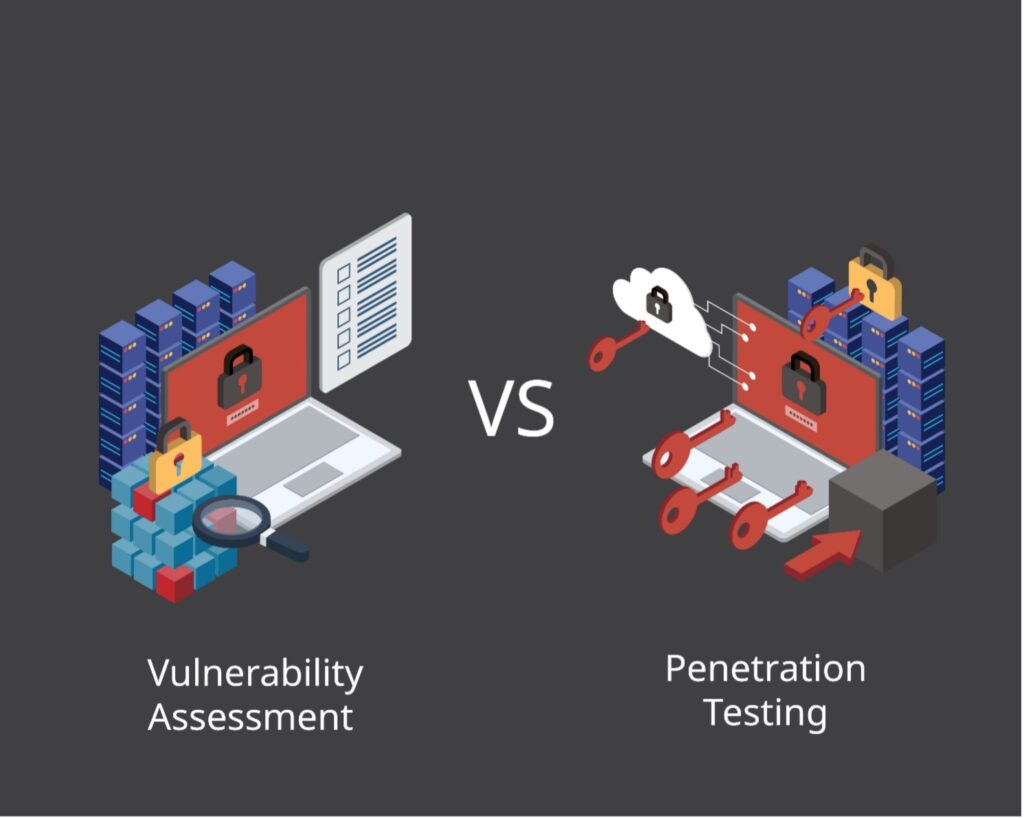
Pentesting is a controlled security assessment where specialists attempt to exploit vulnerabilities in systems, networks, or applications in a similar way to a real attacker. The goal is to identify weaknesses before they can be abused by malicious actors.
Unlike basic vulnerability scans, penetration testing involves manual investigation and exploitation techniques to understand how different vulnerabilities might be combined to gain access or escalate privileges. Many professional engagements include simulated attack scenarios designed to mirror the tactics used by real threats.
The outcome is a detailed report explaining:
- Where vulnerabilities exist
- How those vulnerabilities could be exploited
- The potential impact on the organisation
- Practical remediation steps
Security teams are able to prioritise improvements and strengthen their defensive posture if a breach occurs.
Define the Scope of the Test Early
One of the first steps in preparing for penetration testing is deciding what systems will be assessed.
Large organisations often operate hundreds of applications, endpoints, and cloud services. Attempting to test everything at once is not practical. Instead, security teams focus on systems that are most exposed or critical to business operations. What are some common testing scopes?
- External network infrastructure
- Internal corporate networks
- Web applications
- Mobile applications
- Cloud environments
- APIs and integrations
A clear scope prevents confusion during testing and helps testers concentrate on the systems that present the greatest risk. It also ensures the engagement remains controlled and avoids disruption to business operations.
Prepare Documentation and System Information

Penetration testers rely on accurate information about the systems they are assessing. Without this context, valuable time may be spent identifying infrastructure rather than evaluating security weaknesses.
Cyber security guidance from the Australian Signals Directorate highlights the importance of maintaining clear documentation describing systems, architectures, and controls. Well maintained documentation improves communication between security teams and external assessors. Before a penetration test begins, organisations should gather information:
- Network diagrams and architecture details
- Application documentation
- Asset inventories
- IP ranges and domains included in scope
- Authentication or test accounts where relevant
Providing this information early helps testers understand how systems interact and allows them to focus on identifying genuine security weaknesses.
You can also explore related insights in the Xcelit article How Cyber Security Services Work: A Practical Guide for Australian Businesses, which explains how security services operate within modern organisations.
Clarify Testing Methodology and Access Levels
Penetration tests can be conducted using different levels of information and system access depending on the objective of the engagement.
Black box testing
Testers have no prior knowledge of the environment. This simulates an external attacker attempting to breach the organisation from the outside.
White box testing
Testers are given full system information and internal access. The white box testing approach allows a deep assessment of security controls and architecture.
Grey box testing
A hybrid approach where testers have partial knowledge of the system. This can reflect real-world situations where attackers gain some internal information.
Understanding which method will be used helps internal teams prepare access credentials, testing accounts, or technical documentation that may be required.
Coordinate with Internal IT and Security Teams
Penetration testing should never be conducted without proper coordination.
Internal IT teams must be aware of the testing schedule so that security alerts generated during the engagement are not mistaken for real attacks. In some cases, monitoring teams may observe the activity as part of an incident response exercise. Preparation typically includes:
- Notifying internal security teams
- Whitelisting tester IP addresses
- Scheduling tests during appropriate maintenance windows
- Identifying systems that must not be disrupted
Speak to XCELIT to be incident response ready.
Prepare Your Team for the Findings
Penetration testing often uncovers weaknesses that organisations were unaware of. While this can be confronting, the value lies in addressing those issues before attackers exploit them.
Companies preparing for their first penetration test frequently underestimate the importance of planning how findings will be addressed. Security professionals commonly advise allocating time and resources for remediation before the test even begins.
Typical outputs from a penetration test include:
- Severity ratings for vulnerabilities
- Proof-of-concept exploitation examples
- Technical remediation guidance
- Strategic recommendations for long-term improvements
How Xcelit Helps Organisations Prepare for Penetration Testing
At Xcelit, penetration testing is designed to mirror how real attackers operate.
Our CREST-certified engineers combine manual techniques with automated tools to assess systems from multiple angles. This approach allows our team to uncover vulnerabilities that may be missed by standard scanning tools. Xcelit’s penetration testing services include assessments across:
- Web applications
- Mobile applications
- APIs and integrations
- Internal networks
- External infrastructure
- Cloud environments
- Active Directory environments
Our testing engagements simulate realistic attack scenarios to identify exploitable weaknesses and provide detailed remediation guidance. The goal is not just to identify issues, but to give organisations a clear roadmap for strengthening their security posture.
Many organisations choose to combine penetration testing with broader managed cyber security services so that vulnerabilities can be monitored and addressed continuously.
Preparing With Penetration Testing
If you are planning penetration testing for your business in Melbourne, working with experienced security professionals can make the process far more effective.
Xcelit provides CREST-certified penetration testing designed to simulate real-world cyber-attacks and expose vulnerabilities before attackers do. Our team delivers detailed reports with clear remediation guidance so your organisation can address risks quickly and strengthen its cyber resilience. What sets us apart?
✔ Industry-Specific Expertise
✔ Scalable Managed IT Services
✔ Scalable Managed Cyber Security Services
✔ In house Security Operations Centre (SOC)
✔ CREST-Certified Pentesters
✔ Governance, Risk & Compliance (GRC) Expertise
✔ Scalable Next-Gen VoIP & Cloud Solutions
✔ Cost-Effective & Transparent Pricing
✔ Rapid Response & Personalized Support
Contact us! Call 1800 923 548 for a free vulnerability assessment and incident response when you require it.
Let Xcelit support you identifying weaknesses early and building stronger protection for your systems, data, and reputation.
Learn more about us, our capabilities, and industries that we work with.